Back Pain Isn’t “Just Your Back” — Why It Feels So Complicated (And What Helps)
May 20, 2026
This blog supports Charlotte's The Many Aspects of Back Pain webinar, available inside Whole Health membership.
If you’ve ever thought, “Why does my back hurt when nothing seems wrong?” you’re not alone. Back pain can be confusing, frustrating, and sometimes even a little scary - especially when it sticks around or flares up without warning.
One of the biggest takeaways from inside the webinar, “The Many Aspects of Back Pain,” is that back pain often isn’t caused by a single issue. Instead, it can be shaped by a mix of physical, emotional, and lifestyle factors that all work together. That doesn’t mean the pain isn’t real (it absolutely is). It just means the body is more interconnected than we’re often led to believe.
Back pain can be influenced by your whole system
 Many of us grow up thinking pain is like a simple alarm: something is damaged, so it hurts. But pain is actually more like a protection system. Your brain and nervous system are constantly scanning for danger, and when they decide something feels unsafe, pain can become part of that protective strategy.
That’s why some people can have “normal” scans but still feel intense pain, while others can have structural changes and feel fine. It’s also why back pain can change day-to-day.
Why pain can feel unpredictable
Back pain often has a “non-linear” pattern - meaning it doesn’t always behave logically. You might do the same activity two days in a row and only hurt on one of them. Or you might feel stiff in the morning, then better by midday, then sore again at night.
This can happen because pain is influenced by:
- Stress levels
- Sleep quality
- Fear of movement
- Muscle tension
- Breath patterns
- Digestive discomfort
- Emotional load
- How safe your body feels in the moment
So instead of asking “What’s wrong with my back?” a more helpful question can be:
“What is my body trying to protect me from right now?”
The “Catch-22” cycle: pain → avoidance → more pain
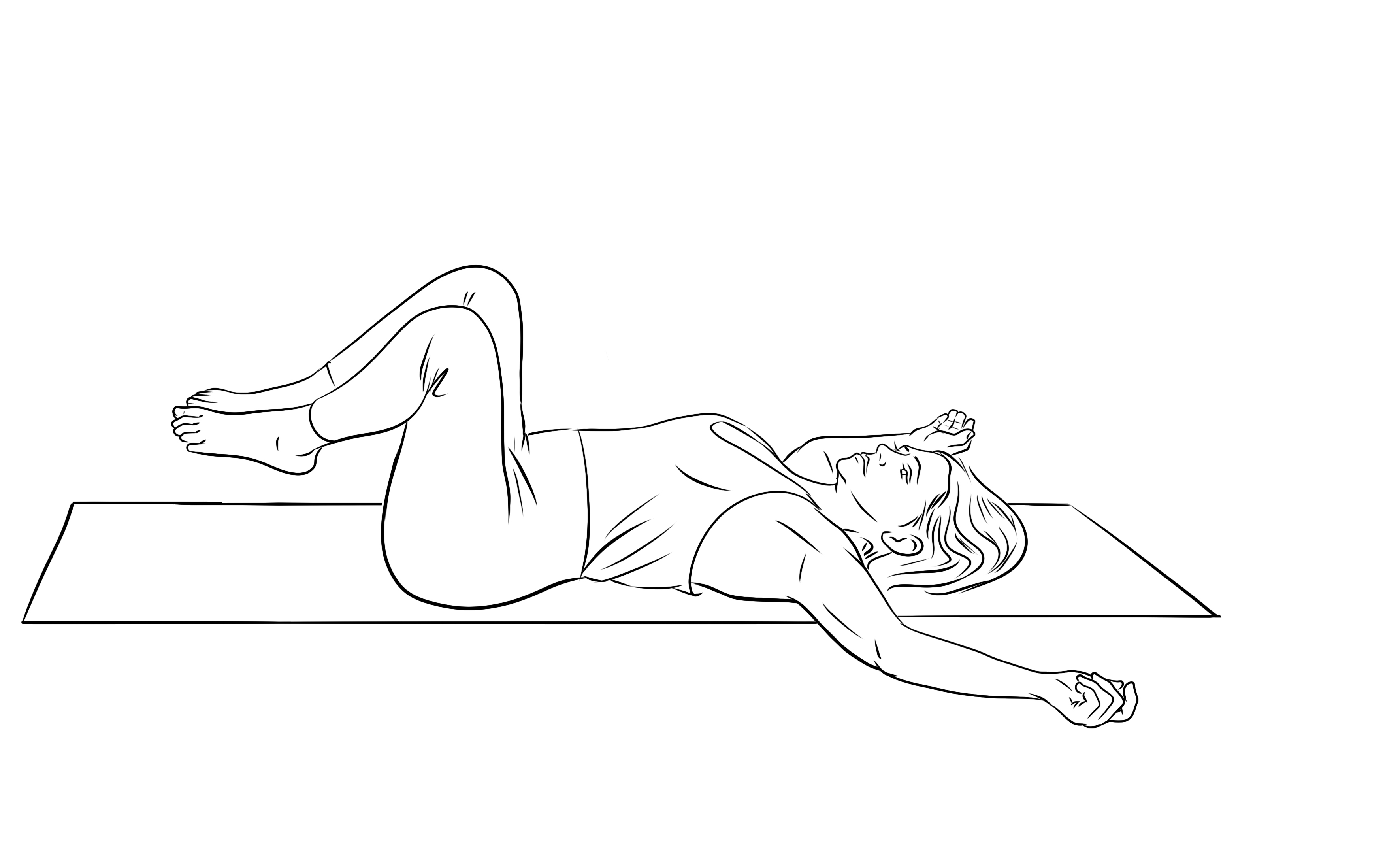 A common trap is that pain makes movement feel scary, so we avoid moving. But when we avoid movement for too long, the body becomes stiffer and less confident. Then even small movements can feel threatening, and pain ramps up again.
This doesn’t mean you should push through pain. It means the path forward is usually gentle and gradual, rebuilding trust between you and your body.
What tends to help most (without forcing)
The most helpful approach is often about lowering the “threat level” in your system. Think of it as helping your body feel safe enough to loosen its grip.
Some starting points:
- Small movements that feel safe, not intense
- Slow breathing, especially longer exhales
- Reducing jaw and shoulder tension
- Gentle mobility, instead of aggressive stretching
- Reassurance and consistency, rather than big bursts of effort
Try this today: a tiny “safety signal”
 Pick one supportive habit and try it for just a minute:
- Let your exhale become a little longer than your inhale – without force
- Relax your jaw (teeth not touching, tongue soft)
- Take a short walk that stays comfortably within your range
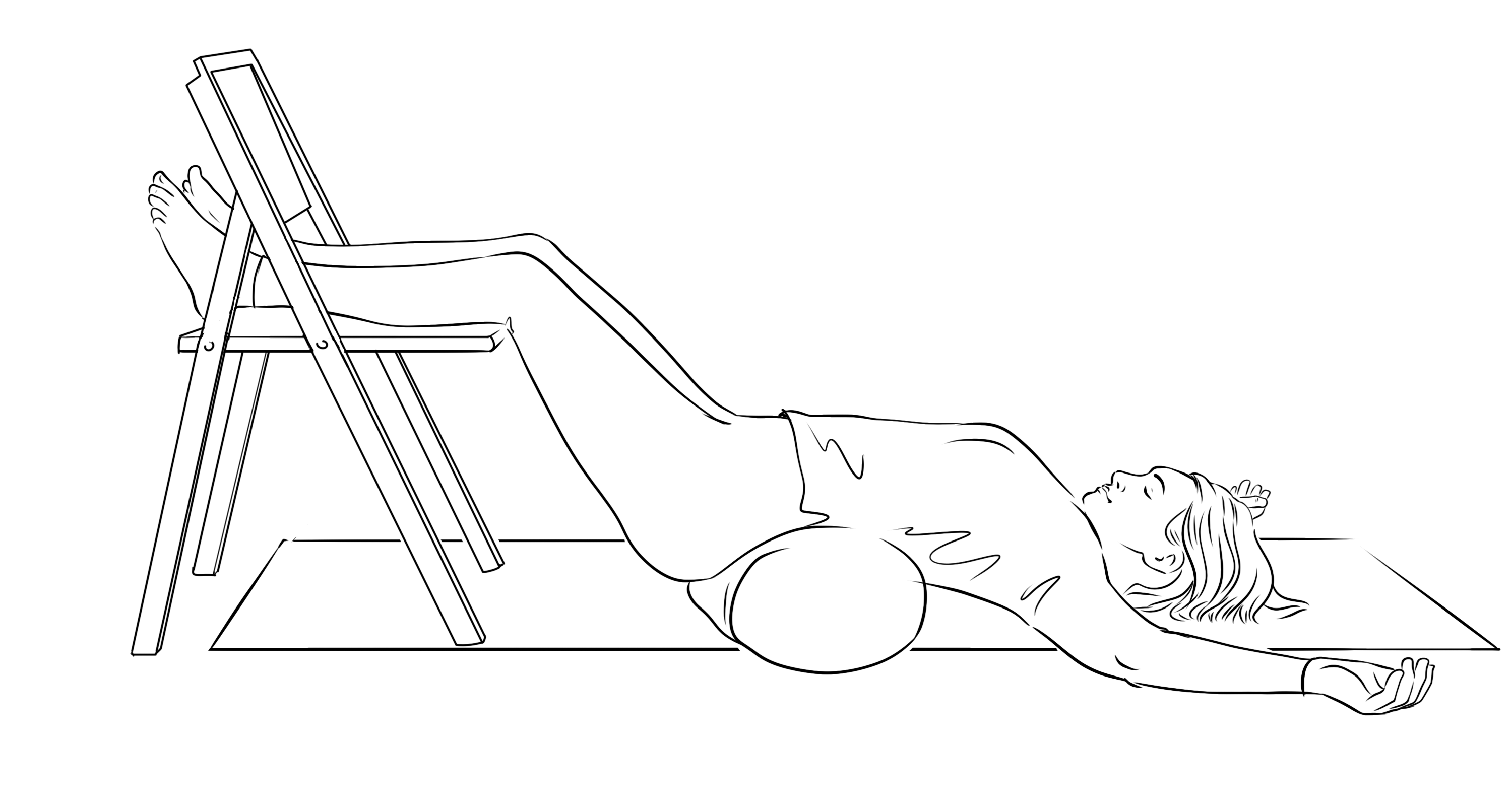
- Lie down with knees supported and let the back soften
Small signals add up - especially when your nervous system is involved.
Want the full deep-dive? The entire webinar is available inside Whole Health membership, so you can watch the full session and revisit the practices anytime.