Nasal Breathing & Posture
Nov 29, 2025Nasal Breathing & Posture: Returning to the Body’s Natural Design
After 50 Whole Health webinars and a wealth of shared learning, it feels timely to gather some key threads together. We have been exploring so many layers of whole-body health over the past month and this week it feels appropriate to return to something incredibly simple yet profoundly impactful: nasal breathing and posture. These two foundations sit quietly beneath almost everything we talk about - energy, resilience, calm, digestion, immunity - and they work best when they work together.
Posture Creates the Space for Breath
Our posture influences so much more than how we appear. When the head sits above the ribs, above the pelvis, above the feet (the way the body is naturally designed) the breath can travel through the nasal passages with ease.
Modern life, however, often draws us forward: screen-time, tension across the face and jaw, shallow breathing, and less movement through the spine. This collapse reduces space in the nasal cavities and makes nasal breathing feel more difficult than it should. Re-establishing our natural posture is not about rigidity, but about finding a soft upward lift from the ground and letting the body recalibrate.
Why Nasal Breathing Matters
Nasal breathing is one of the most efficient and restorative tools our body has and it requires no effort beyond returning to what we’re built for.
Breathing through the nose:
- cools and soothes the frontal lobe, helping calm mental activity
- filters impurities through nasal hairs and antimicrobial glands
- protects the oral microbiome by keeping mouth tissues moist
- increases oxygenation throughout the body
- boosts nitric oxide - a key molecule that supports immunity and cellular health
- helps maintain the natural balance of oxygen and carbon dioxide through full, steady exhalations
- mouth breathing, in contrast, dries out tissues, disrupts the oral microbiome, and increases moisture loss - all of which can contribute to inflammation and thicker mucus.
When Nasal Breathing Feels Difficult
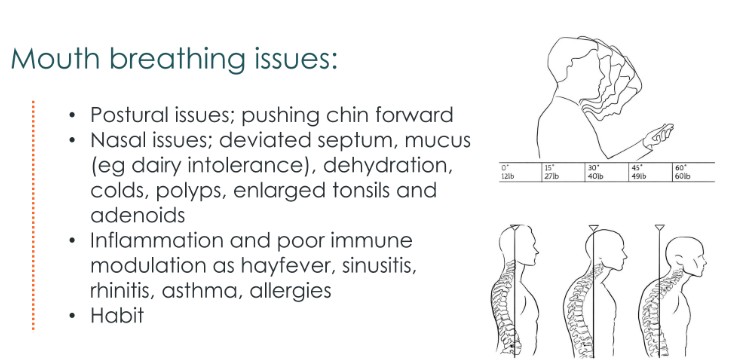
Barriers often come from things such as:
- deviated septum
- inflammation or mucus (common with dairy intolerance, dehydration, sinus issues, allergies)
- enlarged tonsils or adenoids
- habitual mouth breathing
Many of these come back to immune modulation, hydration, and calming inflammatory tendencies. Even gentle support - more water, reducing triggers, or temporarily taping the mouth during rest - can help retrain the system.
Movement Helps the Breath Find Its Space
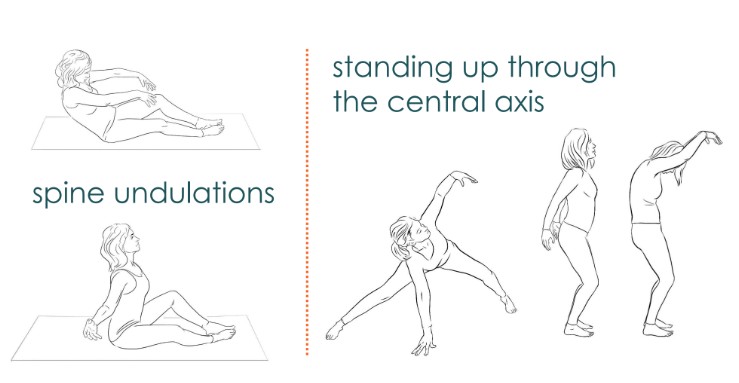
Spinal undulations and soft, wave-like movements of the torso remind the body where its natural curves live.
- Inhalation lifts through the inward curve of the lower back.
- Exhalation draws us into a protective parasympathetic curl.
Standing back up through the central axis helps recalibrate posture so nasal breathing becomes effortless again.
This blog was taken from Chapter 9 of my Nine Foundations of Whole Health Natural Health Webinar - (available to Whole Health Members).
Discover Whole Health with Charlotte here featuring access to yoga classes, meditations, natural health webinars, a recipe database, supplement discounts and more... you can use the code WH100 to try a month for free, then choose from several pricing options to suit you and cancel anytime you need.
These are the supplements featured in the whole webinar from the Charlotte Watts Health range at the shop site. Click on the image below to see those there. Whole Health members receive a 20% discount on all products within the shop. See details on joining Whole Health and everything that includes here.